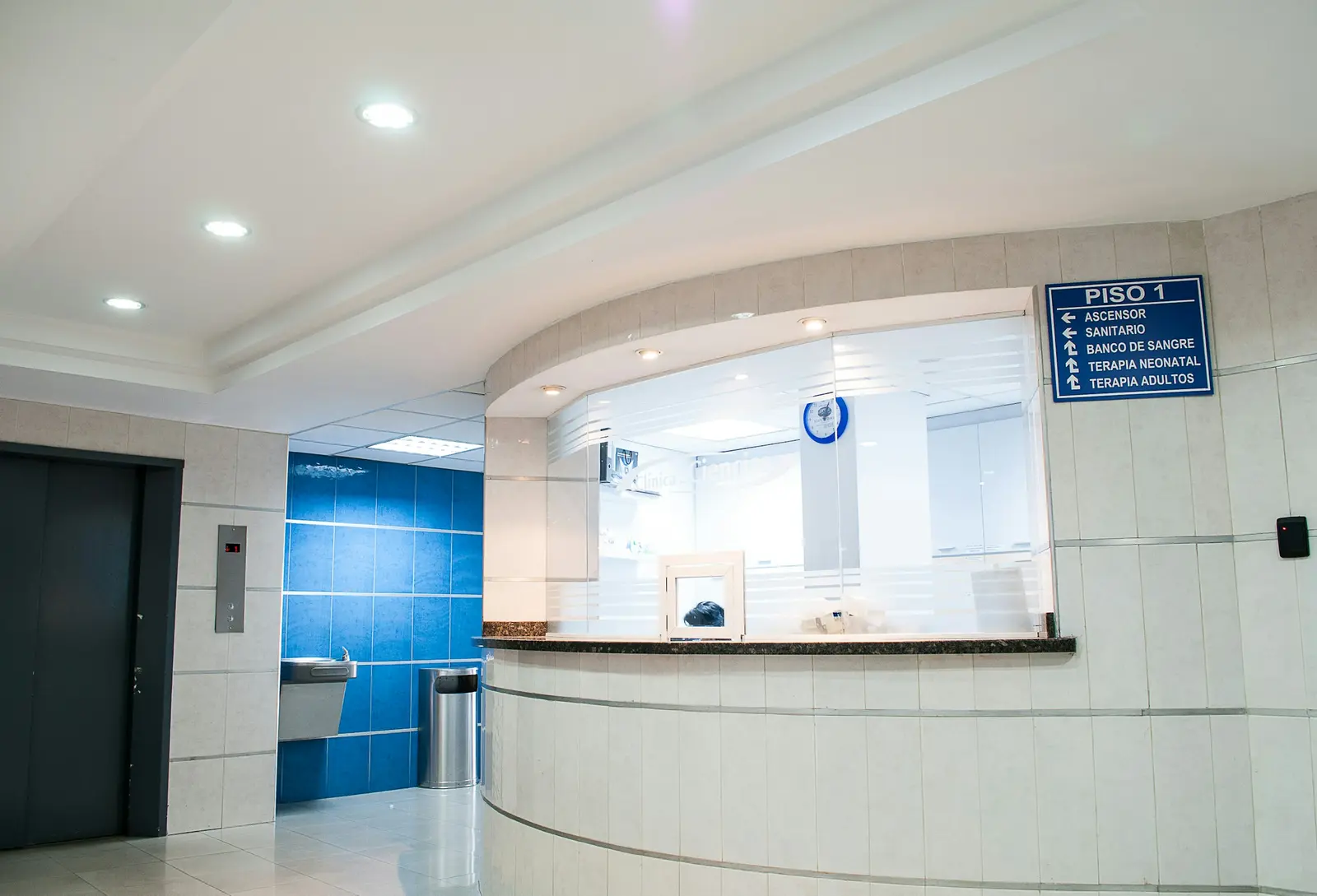
Inpatient Treatment
Learn about inpatient mental health treatment, including 24-hour care, crisis stabilization, hospital-based treatment, who it helps, and how it supports acute mental health needs.
History and Development
Inpatient mental health services have evolved significantly over the past two centuries, transitioning from custodial care in asylums to modern therapeutic environments focused on recovery and stabilization. The history of inpatient psychiatric care dates back to the early 19th century with the establishment of state mental hospitals, which initially focused on long-term institutionalization rather than treatment. The moral treatment movement of the 1800s brought reforms emphasizing humane care and therapeutic activities, though overcrowding and lack of resources often undermined these ideals. The mid-20th century saw the introduction of psychotropic medications like chlorpromazine in the 1950s, revolutionizing psychiatric treatment and enabling shorter hospital stays. The Community Mental Health Act of 1963 initiated deinstitutionalization, shifting focus from long-term hospitalization to community-based care, though this transition faced significant challenges. Modern inpatient services emerged in the 1970s and 1980s as acute care units within general hospitals, providing short-term crisis stabilization typically lasting 5-14 days rather than months or years. Today's inpatient mental health services utilize evidence-based practices including medication management, individual and group therapy, family involvement, and comprehensive discharge planning. Contemporary facilities emphasize safety, dignity, and rapid stabilization with the goal of transitioning patients to appropriate outpatient care. Recent advances include trauma-informed care approaches, peer support integration, and improved assessment tools for suicide risk and violence prediction. The COVID-19 pandemic accelerated innovations in inpatient care, including enhanced infection control protocols, virtual family contact, and hybrid models combining in-person and telehealth services for continuity of care post-discharge.
Key Techniques
Benefits
Treatment Steps
Duration
8-12 weeks, depending on individual needs
Session Frequency
Weekly 60-90 minute sessions
Conditions Treated
Risks
Success Rate and Testimonials
Studies show that approximately 75-80% of patients experience significant symptom reduction during inpatient stabilization, though long-term outcomes depend heavily on engagement with aftercare and outpatient services.
"The inpatient program saved my life when I was at my lowest point. The 24-hour support, therapy, and medication adjustments helped me stabilize enough to return home and continue my recovery with outpatient care."
Treatment Approaches
Advantages
- Immediate access to intensive psychiatric care and medical supervision
- Safe, structured environment that removes access to means of self-harm
- Rapid medication adjustments and symptom stabilization
- Comprehensive assessment by multidisciplinary treatment team
- 24-hour crisis support and immediate intervention when needed
- Peer support from others facing similar mental health challenges
- Break from external stressors and triggering environments
Limitations
- High costs and potential insurance coverage limitations
- Short stays focused on stabilization rather than long-term treatment
- Institutional setting may feel restrictive or uncomfortable
- Disruption to work, school, and family responsibilities
- Potential social stigma associated with psychiatric hospitalization
- Transition challenges when returning to everyday life
- Limited availability of beds in some geographic areas
Frequently Asked Questions
When is inpatient mental health treatment necessary?
Inpatient treatment is typically necessary when someone poses an immediate danger to themselves or others, experiences severe psychiatric symptoms that cannot be safely managed at home, requires medication adjustments under close medical supervision, or needs a protected environment to stabilize during an acute mental health crisis.
How long does inpatient treatment typically last?
Most inpatient psychiatric stays last between 5-14 days, focusing on crisis stabilization rather than long-term treatment. The exact length depends on symptom severity, rate of improvement, insurance coverage, and availability of appropriate aftercare resources. Some specialized programs may be longer.
Can I leave an inpatient facility if I want to?
If you voluntarily admitted yourself, you generally have the right to request discharge, though doctors may ask you to stay if they believe you remain at risk. Involuntary commitments involve legal proceedings and require a court order or medical determination that you pose a danger to yourself or others before discharge is permitted.
What happens during a typical day in inpatient treatment?
Days typically include structured activities such as medication rounds, meals, individual therapy sessions, group therapy, psychoeducation classes, recreational therapy, visiting hours, and free time. The schedule provides routine and therapeutic opportunities while allowing time for rest and personal activities.
Will my insurance cover inpatient mental health treatment?
Most insurance plans cover inpatient psychiatric care when medically necessary, though coverage details vary significantly. Insurance companies typically require pre-authorization, limit the number of days covered, and may require step-down to lower levels of care. Contact your insurance provider to understand your specific benefits and potential out-of-pocket costs.
What should I bring to an inpatient facility?
Bring comfortable clothing without drawstrings, slip-on shoes, toiletries in non-glass containers, necessary prescription medications in original bottles, insurance information, and important phone numbers. Most facilities restrict items like sharp objects, glass, cords, and valuables. Call ahead to get a specific list of allowed and prohibited items.
Related Therapies & Approaches
Residential Treatment
24/7 care in a therapeutic living environment for intensive mental health treatment.
Learn MorePartial Hospitalization Program
Structured day treatment providing intensive therapeutic services while allowing patients to return home each evening.
Learn MoreEmergency Mental Health
Urgent psychiatric care for mental health emergencies and crises.
Learn MorePsychiatric Services
Medical evaluation, diagnosis, and medication management by psychiatrists.
Learn MoreFind Inpatient Treatment by State
Browse inpatient treatment providers across all 50 states and Washington, D.C.
Featured Facilities Offering Inpatient Treatment
Browse mental health facilities that offer Inpatient Treatment and explore care options across the United States.
Search for Inpatient Treatment Providers
Use our directory to find facilities offering inpatient treatment near you.